Example moment
Small things I almost missed
The coffee went cold. For once, neither of us was in a hurry.
An hour for the work I keep postponing. A promise kept.
I called my mother. The evening felt softer.
An astrology companion for the sky you see and the life you live.
Your constellation
Read your previewCaelum
Begin by looking up. Open Caelum to follow the planets, learn the stars by name, and find the constellations above your own horizon.
Find your birth skyYour birth sky
Return to the sky at the moment you were born. Meet your Sun, Moon and Ascendant here, and keep your planetary chart by email.
The sky today
The sky marks a beginning.
What happens next becomes your story.
Nous · The theatre of memory
A dream on waking. A thought you nearly lost. Give these moments a home in Nous, your theatre of memory.

☉ Moments☾ Dreams
Fictional memory: A familiar room — Dream
Fictional memory: Words I wanted to send — Moment
Fictional memory: An unhurried afternoon — Moment
Fictional memory: Showing my work — Moment
Fictional memory: Agreeing too quickly — Moment
Fictional memory: A path beyond the hill — Dream
Fictional memory: Time I set aside — Moment
Fictional examples. Nothing is saved.
Example moment
The coffee went cold. For once, neither of us was in a hurry.
An hour for the work I keep postponing. A promise kept.
I called my mother. The evening felt softer.
Nous finds a place for each memory. Reflections grow from connections with earlier entries. Some arrive later; some memories simply rest here.
Example reflection
Nous offers a gentle question drawn from your own words, leaving the meaning to you.
“For once, neither of us was in a hurry.”
From this example.
You wrote that neither of you was in a hurry. What was different about spending that time together?
Some moments leave you with a question.
Look a little closerOracle
Bring a question from your own life. Let the cards offer images to reflect on, and leave the meaning open to you.
The reading
Your cards and their meanings, by email.
Check your inbox or spam folder.
Rider-Waite-Smith, 1909.
Bring what you notice back into the day.
Make it a practiceDaily rituals
Meet each hour in its own spirit. Follow the planetary rhythm, making room for action, reflection, or rest as the day unfolds.
HoraeFollow the old connections between planets, plants, metals and symbols. Notice how the sky has found its way into everyday things.
CorpusWith gratitude
This journey has old roots. Animastra draws inspiration from thinkers who explored the sky, the imagination, and the art of remembering.
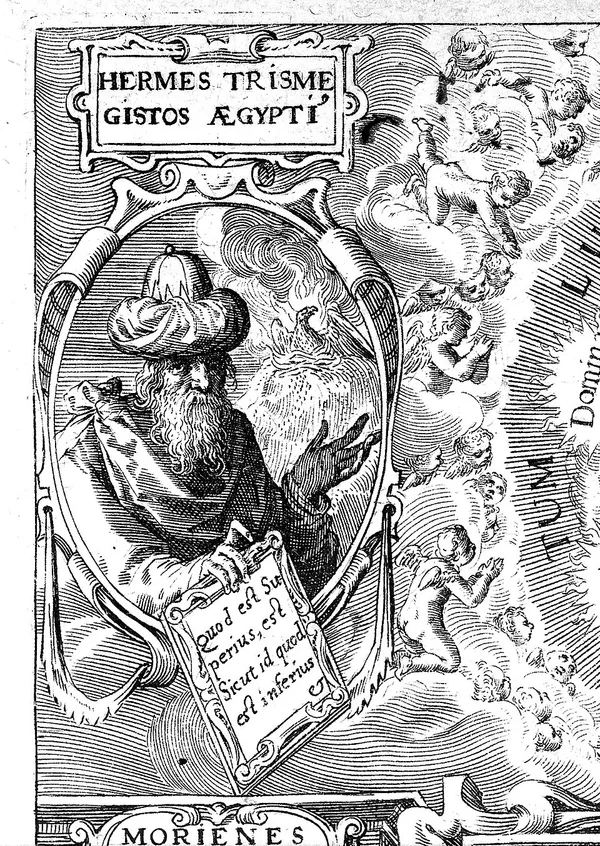 Hermes Trismegistus
The writings attributed to the legendary Hermes Trismegistus explore the relationship between the human soul, divine knowledge, and the cosmos. Looking outward becomes an invitation to look inward.
That invitation runs through Animastra: from the living sky of Caelum to the memories held in Nous, the world above and the world within remain in conversation.
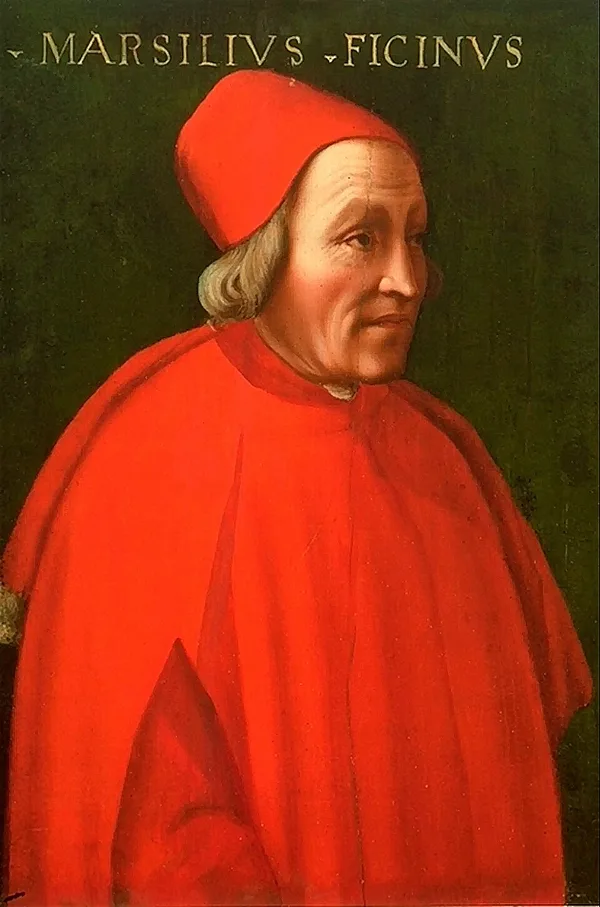 Marsilio Ficino
Marsilio Ficino saw the soul as a meeting place between earthly life and a greater order. Beauty, music, and the rhythms of the heavens belonged to his search for a harmonious life.
Animastra carries that spirit into its planetary hours and daily rituals: small invitations to meet the day attentively, allowing time for action, reflection, and rest.
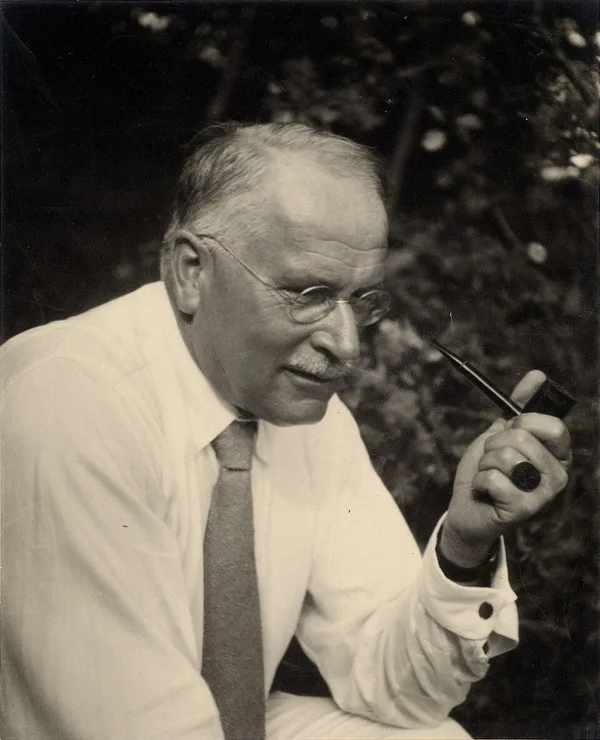 Carl Gustav Jung
Carl Gustav Jung approached dreams and symbols as expressions of the psyche, inviting attention to images whose meaning could unfold over time. An image could open a question before it offered an answer.
His influence lives in the reflective spirit of Nous and the Oracle. Animastra makes room for dreams, personal associations, and questions, leaving you to discover what an image means in your own life.
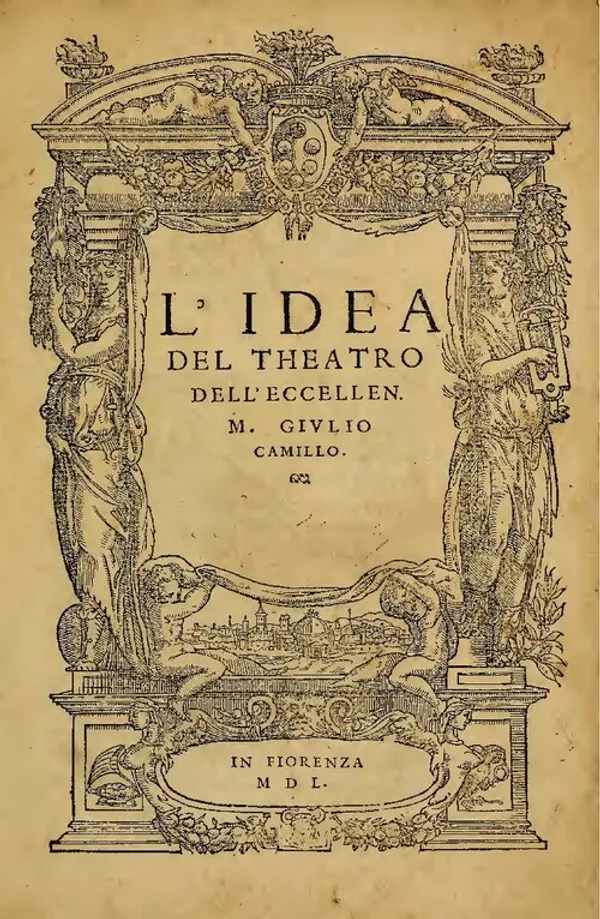 Giulio Camillo
Giulio Camillo imagined a theatre of memory in which images and places brought knowledge into an ordered whole. The visitor stood before a symbolic world, discovering ideas through their relationships.
That architectural imagination echoes in Nous. Animastra gives moments and dreams a place among planetary rooms, turning a collection of entries into a theatre you can explore and return to.
Shown here: L’idea del theatro, 1550.
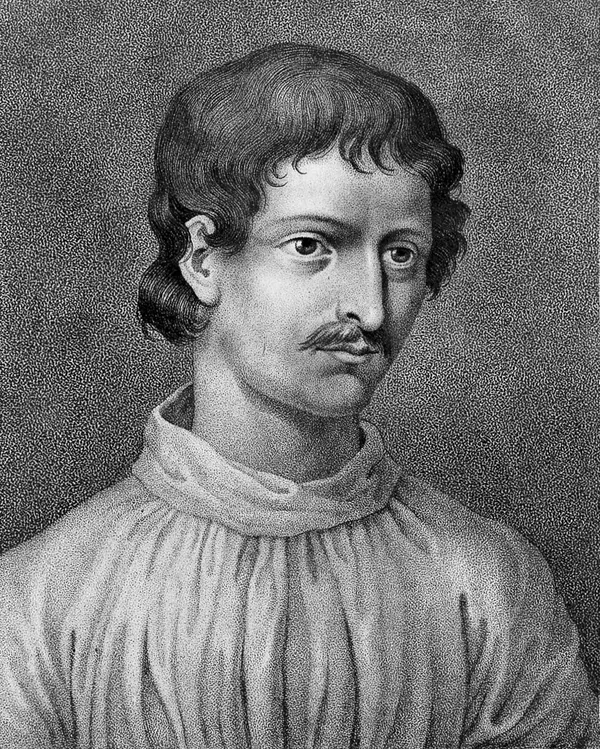 Giordano Bruno
Giordano Bruno made vivid images and carefully ordered associations central to his art of memory. Remembering was an imaginative practice: ideas became images that the mind could encounter and revisit.
Nous takes inspiration from that art. Your moments and dreams find places among its planetary rooms, forming a theatre you can return to as new connections between entries emerge.
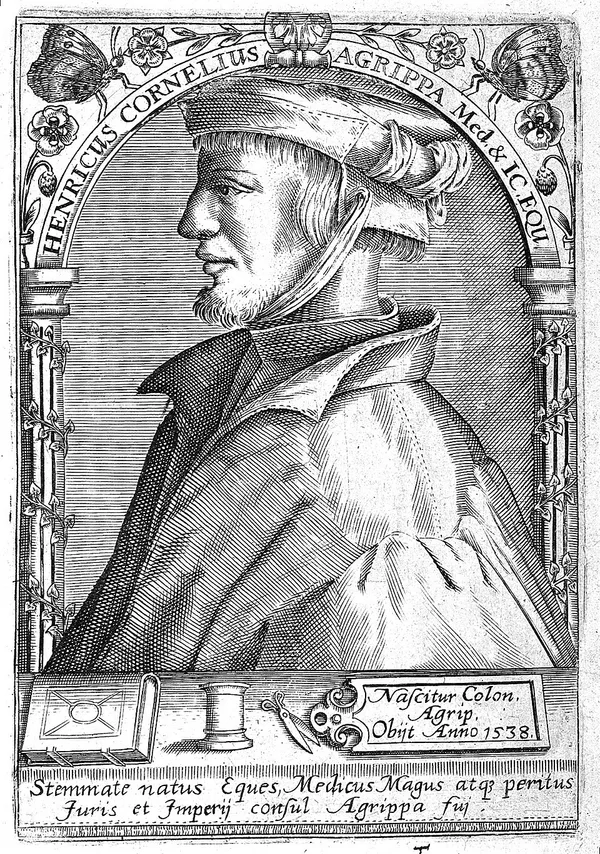 Heinrich Cornelius Agrippa
Heinrich Cornelius Agrippa gathered a Renaissance vision of correspondences linking the earthly, celestial, and spiritual worlds. Planets, plants, metals, numbers, and images belonged to an interconnected symbolic order.
His influence appears in Animastra’s correspondences: a way to explore these inherited associations and follow a thread from the planets to the familiar things around you.
Keep looking up. Keep listening within.
We’ll let you know when Animastra is ready to join you.
One email at launch.

We’ll be in touch at launch.
Coming to iOS & Android